Marketing Recruiters: The Ultimate 2026 Guide to Hiring
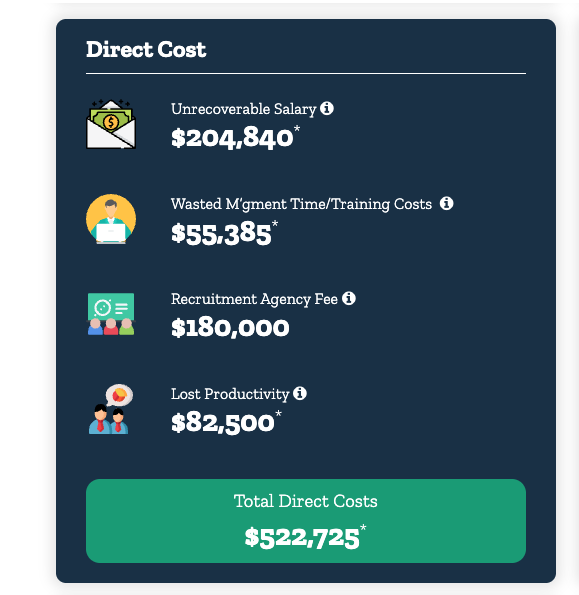
Finding the right marketing leader isn’t just difficult. It’s expensive. A bad hire at the senior marketing level can cost your company over $325,000 in wasted salaries, lost productivity, and repeated recruitment efforts. Yet 93% of marketing leaders admit that finding professionals with the right skills remains one of their biggest challenges in 2026.
This is where specialized marketing recruiters become invaluable. Unlike general hiring managers or internal HR teams, marketing recruiters possess deep vertical expertise, access to passive talent networks, and the ability to identify candidates who can actually drive revenue growth, not just match job descriptions.
This comprehensive guide will help you understand what marketing recruiters do, when you need one, how to evaluate them, and what to expect in terms of costs and timelines in 2026.
Marketing recruiters are specialized talent acquisition professionals who focus exclusively on sourcing, vetting, and placing marketing professionals at companies. Unlike general recruiters who might fill roles across finance, operations, and administration, marketing recruiters live and breathe the marketing discipline. They understand the nuances between demand generation and brand marketing, know what metrics matter for growth roles, and can evaluate whether a candidate truly understands modern digital ecosystems.
Headhunting vs. Traditional Recruiting
The most effective marketing recruiters operate as headhunters, not resume collectors. This distinction matters enormously. Traditional recruiting involves posting jobs, reviewing incoming applications, and screening active candidates (those currently looking for work). Headhunting involves proactively identifying and pursuing passive candidates who are currently employed, often at your competitors, and convincing them to consider making a career move.
Why does this matter? Because the best marketing talent isn’t browsing job boards. According to Robert Half’s 2026 research, marketing specialist unemployment sits at just 2.4%, far below the national average of 4.2%. This means top marketers are already employed and performing well in their current roles. If you want access to this talent, you need a recruiter who can find them, engage them in meaningful conversations about career trajectory, and present compelling opportunities.
Types of Marketing Roles Recruiters Fill
Specialized marketing recruiters work across the entire marketing org chart, from C-suite executives to specialized managers:
Executive Level:
Chief Marketing Officer (CMO)
VP of Marketing
VP of Growth
Chief Digital Officer
Chief Creative Officer
Director and Manager Level:
Digital Marketing Director
Demand Generation Manager
Growth Marketing Manager
Product Marketing Manager
Brand Marketing Director
Content Marketing Manager
Marketing Analytics Specialist
Marketing Automation Manager
CRM and Lifecycle Marketing Manager
Each role requires distinct skill sets, experiences, and personality profiles. A CMO must possess strategic vision and executive presence. A Demand Gen Manager needs technical proficiency with marketing automation platforms and lead scoring systems. A Brand Marketing Director requires creative judgment and storytelling capabilities. Marketing recruiters understand these distinctions and can identify which candidates match which needs.
When Marketing Recruiters Add More Value Than In-House Hiring
You need a marketing recruiter when:
-
You’re hiring for a specialized or senior role where talent is scarce
-
Your internal HR team lacks marketing vertical expertise
-
Time-to-fill is critical (an open VP of Marketing role costs revenue every day it remains unfilled)
-
You need access to passive candidates currently employed at competitors
-
Previous hiring attempts have failed or produced poor retention
-
You’re building a marketing function from scratch and need multiple strategic hires
Internal recruiting works well for high-volume, entry-level roles. But for strategic marketing leadership that will shape your go-to-market strategy and drive millions in revenue? That requires specialized expertise.
When to Hire a Marketing Recruiter vs. Going In-House
Not every hire warrants the investment in an external marketing recruiter. Understanding when to recruit internally versus when to partner with specialists can save both time and money.
Signs You Need a Specialized Marketing Recruiter
Consider partnering with a marketing recruiter when:
The role is senior or highly specialized. CMO, VP of Growth, Director of Marketing Analytics, these positions require rare combinations of skills and experience. According to 2025 data, 48% of marketing leaders plan to add new permanent roles, but 77% are also increasing contract talent specifically because finding the right full-time hires is so challenging.
You’ve struggled to fill the role previously. If a position has been open for more than 60 days, your current approach isn’t working. The average marketing role takes 44 days to fill, but specialized recruiters who maintain pre-vetted talent pools can reduce this by up to 40%.
Cultural fit is critical. Bad hires often fail not due to lack of skills, but due to cultural misalignment. Specialized recruiters invest time understanding your organization’s values, work style, and team dynamics, screening candidates for fit beyond the resume.
You need passive candidates. The top 1% of marketing talent isn’t actively looking for jobs. They’re driving growth at fast-moving companies. Accessing this talent requires proactive headhunting, not job postings.
Advantages:
-
Lower direct costs (no 15-30% placement fee)
-
Internal knowledge of company culture
-
Ongoing relationship-building with talent pipeline
Disadvantages:
-
Limited reach (only access to active job seekers)
-
Lack of marketing vertical expertise (generalist HR professionals may not understand growth marketing nuances)
-
Slower time-to-fill (internal teams juggle multiple roles and departments)
-
Higher risk of bad hires (without specialized vetting frameworks, mismatches happen more frequently)
In-house recruitment typically costs $3,000 to $5,000 per hire when accounting for internal labor, advertising, and screening time. However, this doesn’t include the massive hidden cost of a bad hire.
The Real Cost of a Bad Marketing Hire
Here’s the calculation most companies miss:
A Director of Marketing earning $150,000 annually who fails and leaves after 12 months costs:
-
$150,000 in salary and benefits
-
$75,000 in lost productivity (conservative estimate)
-
$50,000+ in severance and repeat recruitment costs
-
$50,000+ in missed revenue opportunities from poor marketing performance
Total: $325,000+
This is why Rocket Talent’s approach focuses not on filling positions quickly, but on making placements that drive long-term value. Our 96% retention rate after one year means you avoid this costly cycle of hiring, failing, and repeating.
Outsourced Recruitment Advantages
Working with specialized marketing recruiters offers:
Access to passive talent networks. The best recruiters maintain relationships with top performers across the industry. They know who’s driving 300% revenue growth at competitors, who just led a successful Series B raise, and who’s ready for their next career move even if they haven’t updated their LinkedIn profile.
Vertical expertise. Specialized marketing recruiters understand the difference between brand marketing and performance marketing, can evaluate a candidate’s experience with marketing attribution models, and know which questions to ask about martech stack proficiency.
Speed and efficiency. Firms like Rocket Talent who maintain pre-vetted talent pools can deliver qualified candidates 40% faster than traditional methods. This matters enormously when an open VP of Marketing role delays product launches and go-to-market initiatives.
Risk mitigation. Top marketing recruiters offer replacement guarantees (Rocket Talent provides a 24-month guarantee compared to the industry standard of 6-12 months), demonstrating confidence in their selection process and protecting your investment.
How to Choose the Right Marketing Recruiter
Not all marketing recruiters are created equal. Some operate as transactional resume-pushers, flooding your inbox with barely-qualified candidates. Others function as strategic partners, deeply understanding your business challenges and presenting only candidates who can solve them.
Here’s how to evaluate marketing recruiters and separate the exceptional from the mediocre:
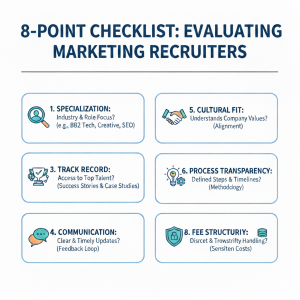
Industry Specialization: Do They Understand Modern Marketing?
The marketing discipline has evolved dramatically. A recruiter who placed great marketers five years ago might struggle today if they haven’t kept pace with changes in:
-
AI-powered marketing automation and personalization
-
Marketing mix modeling and multi-touch attribution
-
Product-led growth strategies
-
Lifecycle marketing and retention optimization
-
Privacy-first marketing in a post-cookie world
Ask potential recruiters:
-
“What percentage of your placements are marketing roles?”
-
“Can you explain the difference between demand generation and growth marketing?”
-
“What marketing tools and platforms should a modern Demand Gen Manager know?”
If they can’t speak fluently about marketing automation platforms, attribution models, and growth frameworks, they lack the expertise to properly vet candidates.
Rocket Talent specialization advantage: We focus exclusively on growth, marketing, product, and data roles within high-growth SaaS and AI companies. This isn’t a side specialization, it’s our entire business. Our recruiters have marketing backgrounds and maintain active knowledge of industry trends, tools, and best practices.
Network Depth: Access to Passive Candidates
The recruiter’s network determines your access to top talent. Ask:
-
“How many marketing professionals do you have relationships with?”
-
“What percentage of your placements come from passive candidates vs. active job seekers?”
-
“Can you provide examples of senior marketing leaders you’ve placed?”
Elite recruiters maintain databases of thousands of pre-vetted candidates and spend years building relationships before those professionals ever need a new role. At Rocket Talent, our database includes over 93% of growth marketing and product professionals, continuously updated through our 24/7/365 talent intelligence system.
Track Record: Retention Rates and Placement Success
Anyone can fill a role. Great recruiters make placements that last and drive business outcomes.
Evaluate:
-
Retention rates: What percentage of their placements remain with clients after 12 months? Industry average hovers around 70-80%. Rocket Talent achieves 96%.
-
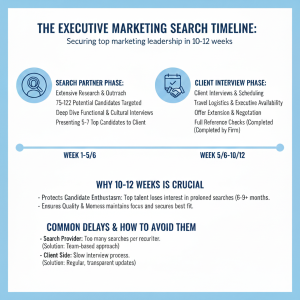
Time-to-fill: How long does their process typically take? 10-12 weeks is standard for quality executive searches, but specialized recruiters with pre-vetted talent pools can move faster.
-
Success rate: What percentage of their searches result in a successful hire? Rocket Talent maintains a 98% success rate on all retained searches.
Request case studies showing not just that they filled a role, but that the candidate they placed delivered measurable business results (revenue growth, improved marketing efficiency, successful team building).
Communication Style: Responsiveness and Transparency
Pay attention to how recruiters communicate during the evaluation phase. This predicts how they’ll communicate throughout the search:
-
Do they respond promptly to questions?
-
Are they transparent about their process, fees, and timelines?
-
Do they ask thoughtful questions about your business challenges, not just the job requirements?
-
Do they push back when your requirements might be unrealistic?
The best recruiters act as consultants, sometimes telling you what you need to hear rather than what you want to hear. If a recruiter simply agrees with everything you say without offering strategic guidance, that’s a red flag.
Guarantee Period: Protecting Your Investment
Replacement guarantees demonstrate a recruiter’s confidence in their selection process:
-
6-month guarantee: Below industry standard
-
6-12 month guarantee: Industry standard
-
12-18 month guarantee: Above average
-
24-month guarantee: Elite (Rocket Talent standard)
A 24-month guarantee signals that the recruiter thoroughly vets candidates for both skills and cultural fit, not just speed to placement.
Red Flags to Watch For
Avoid marketing recruiters who:
-
Work on pure contingency with dozens of active searches (they lack time for thorough vetting)
-
Can’t articulate the difference between various marketing specializations
-
Promise unrealistically fast turnarounds (quality takes time)
-
Won’t provide client references or case studies
-
Focus only on resume credentials rather than business outcomes
-
Lack a structured interview and assessment process
-
Offer generic candidates who could work “anywhere” rather than candidates specifically matched to your needs
Marketing Recruiter Costs: What to Expect in 2026
Understanding recruiter fee structures helps you budget appropriately and compare options. Marketing recruiter fees vary based on the model, role level, and market conditions.
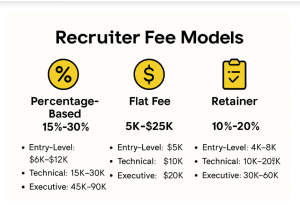
Percentage-Based Fee Models
This remains the most common structure in 2026. Recruiters charge a percentage of the placed candidate’s first-year total compensation (base salary plus bonus):
Entry-Level Marketing Roles (Coordinator, Specialist):
-
Fee range: 15-20%
-
Example: $60,000 salary = $9,000-$12,000 fee
Mid-Level Marketing Roles (Manager, Senior Manager):
-
Fee range: 20-25%
-
Example: $120,000 salary = $24,000-$30,000 fee
Executive Marketing Roles (Director, VP, CMO):
-
Fee range: 25-30%
-
Example: $200,000 salary = $50,000-$60,000 fee
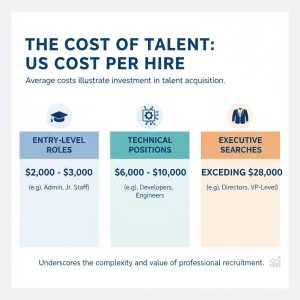
According to 2025 data from TalentLeverage, recruiter fees range from $2,000 for entry-level positions to over $28,000 for executive placements, with the average cost per hire in the U.S. sitting at $4,700 according to SHRM data.
Flat Fee Models
Some recruiters offer flat fees regardless of salary, typically ranging from $5,000 to $20,000 per placement. This model works well when:
-
Salary ranges are variable or negotiable
-
You’re hiring multiple similar roles
-
You want cost predictability
However, flat fees may incentivize quantity over quality, so ensure the recruiter maintains rigorous vetting standards regardless of fee structure.
Retained vs. Contingent Search Models
Retained Search:
-
Client pays an upfront retainer (typically 33% of total fee)
-
Recruiter works exclusively on your search
-
Remaining fees paid at milestones (presentation of candidates, successful hire)
-
Best for: Senior roles, confidential searches, positions requiring extensive vetting
Contingent Search:
-
No upfront payment
-
Recruiter only gets paid if you hire their candidate
-
Often working on 25-30 searches simultaneously
-
Best for: Mid-level roles, less specialized positions, when you’re using multiple recruiters
For strategic marketing leadership roles, retained search consistently delivers better results. The upfront investment ensures the recruiter dedicates proper time and resources to understanding your needs and thoroughly vetting candidates.
ROI Calculation: Recruiter Fee vs. Bad Hire Cost
Frame recruiting costs against the alternative:
Scenario 1: Hire a $15,000 Recruiter
-
VP of Marketing placed at $180,000 salary
-
20% recruiter fee = $36,000
-
Candidate drives 30% improvement in marketing efficiency over 2 years
-
Conservative value created: $500,000+
-
Net ROI: 1,300%+
Scenario 2: Save on Recruiter, Make Bad Hire
-
Internal hire saves $36,000 in recruiter fees
-
Bad hire costs $325,000 in wasted salary, productivity losses, and repeated recruitment
-
Net loss: $289,000
When you factor in the massive downside risk of a bad hire, specialized recruiters aren’t an expense. They’re insurance against catastrophically expensive mistakes.
Geographic Cost Variations
Marketing recruiter fees vary significantly by location:
Major Tech Hubs (San Francisco, New York, Boston, Seattle):
-
Fees run 30-40% higher than national averages
-
Intense competition for talent drives premium pricing
-
A Director of Marketing role might cost $45,000-$55,000 to fill
Mid-Size Markets (Austin, Denver, Portland, Atlanta):
-
Fees align with national averages
-
Same role: $30,000-$40,000
Smaller Markets and Remote Roles:
-
Below-average fees
-
Same role: $20,000-$30,000
However, geographic arbitrage is shrinking as remote work becomes standard. A qualified candidate in a lower-cost market can now command salaries closer to major metro rates if the role is remote-friendly.
Top Marketing Roles Recruiters Fill in 2026
Understanding which marketing roles are in highest demand helps you anticipate recruitment challenges and competition for talent.
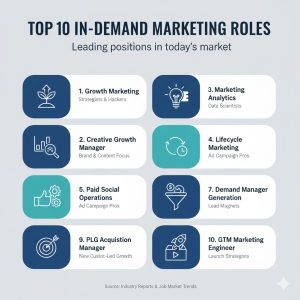
According to Robert Half’s 2025 research analyzing thousands of job postings and placements, these represent the most sought-after marketing positions:
Most In-Demand Marketing Roles
1. Content Manager Companies recognize that content drives all modern marketing channels (SEO, social, email, paid ads). Content managers who can develop strategic content systems, manage editorial calendars, and optimize for both humans and algorithms are scarce.
2. Digital Marketing Specialist The generalist digital marketer who can manage paid search, social advertising, email campaigns, and basic analytics remains highly valuable, especially for mid-size companies building out marketing functions.
3. Marketing Analytics Specialist As marketing becomes more data-driven, professionals who can build dashboards, implement tracking, analyze campaign performance, and provide actionable insights command premium salaries. Marketing now lives and dies by metrics, CAC, LTV, attribution, and conversion rates.
4. Demand Generation Manager B2B SaaS companies especially struggle to find demand gen leaders who understand full-funnel strategy, can implement sophisticated lead scoring and nurture programs, and drive pipeline generation at scale.
5. Growth Marketing Manager Growth marketers combine technical skills (A/B testing, conversion optimization, analytics) with creative problem-solving. They focus on rapid experimentation across channels to identify scalable growth levers.
6. Product Marketing Manager Bridging product and marketing, PMMs translate technical capabilities into customer value, develop positioning and messaging, enable sales teams, and drive product launches.
7. Digital Marketing Director/Manager Mid-to-senior leaders who can build and manage digital marketing teams, set strategy across channels, allocate budgets, and drive measurable ROI.
Executive Marketing Roles Driving Strategic Growth
Chief Marketing Officer (CMO): The CMO sets overall marketing vision, owns brand strategy, drives go-to-market initiatives, and typically reports to the CEO. Modern CMOs must balance brand building with performance marketing, understand technology platforms deeply, and tie marketing investments directly to revenue outcomes.
VP of Marketing / VP of Growth: Operationalizes the marketing strategy, builds and leads marketing teams, owns channel strategy and budget allocation. The distinction between “Marketing” and “Growth” often reflects company philosophy (brand-focused vs. performance-focused).
Chief Digital Officer: Emerging role that bridges marketing, technology, and operations. CDOs drive digital transformation initiatives, often overseeing marketing technology stacks, data strategy, and customer experience optimization.
Specialized High-Value Roles
-
Marketing Automation Specialist: Implements and optimizes platforms like HubSpot, Marketo, Pardot
-
Brand Marketing Executive: Develops brand identity, positioning, creative direction
-
CRM and Lifecycle Marketing Manager: Owns email, SMS, push notification strategy and retention programs
-
SEO Manager: Drives organic search visibility and content optimization
-
Paid Media Manager: Manages Google Ads, Facebook/Instagram, LinkedIn advertising
-
Marketing Operations Manager: Optimizes processes, tech stack, and team efficiency
The Marketing Executive Search Process: What to Expect
Understanding the typical executive search timeline and process helps set realistic expectations and ensures you’re prepared for each stage.
Step 1: Need Identification and Role Definition (Week 1-2)
The search begins with clearly defining:
-
Business challenges requiring this hire
-
Role responsibilities and scope
-
Required skills and experience
-
Nice-to-have qualifications
-
Cultural fit requirements
-
Compensation range
-
Timeline urgency
The best marketing recruiters invest significant time here, often pushing back on initial requirements to ensure you’re targeting the right profile. At Rocket Talent, we spend this phase deeply understanding not just the role, but your business model, competitive landscape, growth stage, and team dynamics.
Step 2: Search Strategy and Talent Mapping (Week 2-3)
Recruiters develop comprehensive search strategies:
-
Identifying target companies and competitors
-
Mapping talent at those organizations
-
Determining passive candidates to pursue
-
Planning outreach approach and messaging
Elite recruiters like Rocket Talent enter this phase with significant advantages. Our pre-existing talent intelligence system means we already know who’s driving growth at your competitors, who’s ready for a career move, and who matches your profile.
Step 3: Name Generation and Candidate Identification (Week 3-5)
The recruiter builds a long list of 75-125 potential candidates through:
-
Direct sourcing from target companies
-
Leveraging their professional network
-
Reviewing their existing talent database
-
Using specialized search tools and platforms
This is where specialization matters enormously. A generalist recruiter starts from scratch. A specialized marketing recruiter like those at Rocket Talent already maintains relationships with most qualified candidates in the market.
Step 4: Outreach, Qualification, and Interviews (Week 4-7)
The recruiter approaches candidates, typically passive professionals happily employed elsewhere. This requires:
-
Discretion and professionalism
-
Compelling presentation of opportunity
-
Deep knowledge of marketing to engage in credible career conversations
Candidates undergo rigorous screening:
-
Initial phone screens
-
In-depth interviews covering experience, skills, and motivations
-
Reference checks and background verification
-
Cultural fit assessment
The recruiter distills 75-125 potential candidates down to 5-7 exceptional matches.
Step 5: Shortlist Presentation to Client (Week 7-8)
The recruiter presents the shortlist with detailed profiles including:
-
Comprehensive background and experience summary
-
Key accomplishments and metrics
-
Assessment of strengths and potential concerns
-
Cultural fit evaluation
-
Compensation expectations
-
Availability and timeline
At this stage, Rocket Talent provides not just resumes, but strategic insights on each candidate’s potential to drive specific business outcomes.
Step 6: Client Interviews (Week 8-10)
Candidates meet with your team through multiple interview rounds:
-
Initial screening with hiring manager
-
Panel interviews with team members and peers
-
Final interview with executive leadership
-
Sometimes including work samples, case studies, or presentations
The recruiter coordinates scheduling, prepares candidates, gathers feedback, and ensures the process moves efficiently.
Step 7: Reference Checks and Final Evaluation (Week 10-11)
Thorough reference checks verify:
-
Past performance and accomplishments
-
Work style and team dynamics
-
Leadership capabilities
-
Reasons for leaving previous roles
-
Potential red flags or concerns
Top recruiters like Rocket Talent conduct comprehensive reference checks before presenting candidates, not after, saving time and preventing late-stage surprises.
Step 8: Offer and Negotiation (Week 11-12)
The recruiter facilitates offer discussions:
-
Presenting the formal offer to the candidate
-
Negotiating compensation and terms
-
Managing expectations on both sides
-
Addressing concerns or objections
-
Securing acceptance
Experienced recruiters act as mediators, ensuring both parties feel the final agreement is fair and exciting.
Step 9: Onboarding and Integration (Week 12+)
The search doesn’t end at signature. Elite recruiters support smooth transitions:
-
Coordinating start dates and resignation timing
-
Managing potential counteroffers from current employer
-
Providing onboarding guidance
-
Checking in during first 90 days
Rocket Talent provides complimentary guided onboarding assistance to new placements, contributing to our exceptional 96% retention rate.
Timeline: How Long Does Marketing Executive Search Really Take?
According to MarketPro’s 2025 data, quality marketing executive searches typically take 10-12 weeks when executed properly. Shorter timelines often indicate rushed vetting that leads to poor fits. Longer timelines (6-9 months) suggest process inefficiencies or unrealistic candidate requirements.
However, specialized recruiters with pre-vetted talent pools can significantly accelerate this. Rocket Talent’s 40% faster time-to-fill comes from years of relationship-building before you ever need to make a hire. We’re not starting from zero when you engage us.
Finding Your Marketing Recruitment Partner: The Rocket Talent Advantage
Choosing the right marketing recruiter isn’t just about filling an open role. It’s about partnering with experts who understand your business challenges, have access to talent that can solve them, and take a long-term view of your success.
Here’s how to summarize your evaluation:
Must-Have Criteria: ✓ Deep specialization in marketing roles ✓ Proven track record with verifiable retention rates above 90% ✓ Access to passive candidate networks ✓ Structured vetting and assessment processes ✓ Strong replacement guarantee (18-24 months) ✓ SaaS/tech vertical experience for high-growth companies
Most marketing recruiters claim these capabilities. Few actually deliver them.
Why High-Growth SaaS and AI Companies Choose Rocket Talent
We’re not generalists dabbling in marketing. Marketing, growth, product, and data roles within SaaS and AI companies are our entire focus. This specialization means we understand the nuance between a growth marketer and a brand marketer, between a product-led growth strategy and traditional demand generation.
We maintain pre-vetted, pre-engaged talent pools. Our 24/7/365 talent intelligence system tracks over 93% of growth marketing and product professionals. We’re not posting jobs and hoping. We already know who’s driving 300% revenue growth at your competitors.
Our placements drive measurable business outcomes. We placed a demand gen leader at Klara who scaled the company from $3M to over $9M in revenue in 18 months. We hired a VP of Growth at VTS who generated over $20M in their first year. We placed a Head of Search Marketing at Function who decreased Google Ads CAC by 50% in the first month. These aren’t outliers. This is standard.
We protect your investment with a 24-month replacement guarantee. Most recruiters offer 6-12 months. We offer double that because we’re confident in our selection process. Our 96% retention rate after one year proves this confidence is warranted.
We move 40% faster than traditional searches. Our pre-existing relationships and continuously updated talent database mean we deliver qualified candidates faster, helping you avoid the revenue losses that come with extended vacancies.
We save you $300K+ per hire. By dramatically reducing the risk of bad hires through our rigorous vetting process, we help you avoid the catastrophic costs (salary waste, productivity losses, repeated recruitment) that come with mismatches.

Your Next Step: Book a Free Consultation
The cost of leaving a key marketing role unfilled compounds daily. Every week without a VP of Marketing delays product launches, slows growth initiatives, and hands competitive advantages to rivals who are moving faster.
But rushing to fill the role with the wrong candidate creates even bigger problems.
At Rocket Talent, we help you avoid both scenarios. Our specialized approach, pre-vetted talent pools, and proven track record mean you get the right marketing leader driving growth, typically 40% faster than traditional searches, with 96% confidence they’ll still be delivering exceptional results a year from now.
Ready to make your next marketing hire your best?
Book a free consultation with Rocket Talent to discuss your specific needs and see pre-vetted marketing leaders ready to transform your growth trajectory.
Visit our growth talent page to learn more about our specialized approach, or explore our complete hiring process to understand exactly how we deliver consistently exceptional results.
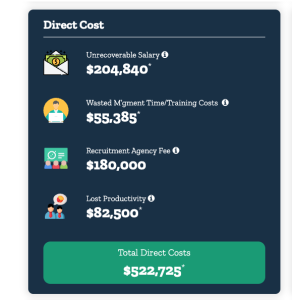
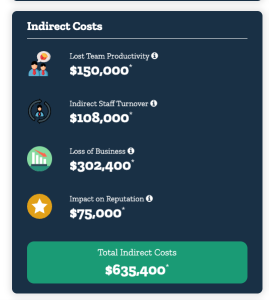
Not sure what a bad hire is really costing you? Try our Bad Hire Calculator to see the real financial impact of mis-hires at your organization.
For more insights on marketing leadership hiring, read our related guide on leading executive headhunters to understand how top-tier executive search firms operate differently from standard recruitment agencies.