Product Management Recruitment Agencies for B2B SaaS: How to Choose One
Choosing a product management recruitment agency for a B2B SaaS search starts with one question: does the recruiter understand the product problem behind the open role? A long network and a familiar client list help, but they do not prove that an agency can separate a strong product leader from someone with the right title and a polished interview style.
The best search partners can translate company stage, product motion, customer complexity and team design into a clear market map. They should know why a VP Product who succeeded in a sales-led enterprise business may struggle in a product-led company, and why an excellent Head of Product may not yet be ready for a board-facing executive mandate.
Start with the problem the hire must solve
Before comparing agencies, write down what should be different a year after the hire. Perhaps the roadmap has become reactive, product discovery is weak, enterprise requests dominate priorities or the founder still makes every major product decision. Those are different problems, even if each company says it needs a product leader.
A credible recruiter will challenge a vague brief. They will ask who owns product strategy today, how decisions are made, what the product team looks like, which customer segments matter most and where product, engineering, design, sales and customer success disagree. If the intake stays at title, salary and location, the search will probably stay shallow too.
Look for real product-market fluency
Product management titles vary widely. In one SaaS company, a Head of Product may own strategy, hiring and executive communication. Somewhere else, the same title may describe the most senior individual contributor. A specialist agency should understand the work behind the title and test candidates against scope rather than hierarchy alone.
Ask how the recruiter would distinguish product strategy from delivery management. Listen for practical questions about discovery, prioritization, product analytics, customer research, platform decisions, go-to-market partnership and product team coaching. You do not need the recruiter to act as your product executive. You do need them to recognize evidence when a candidate explains how they worked.
Ask how the market map will be built
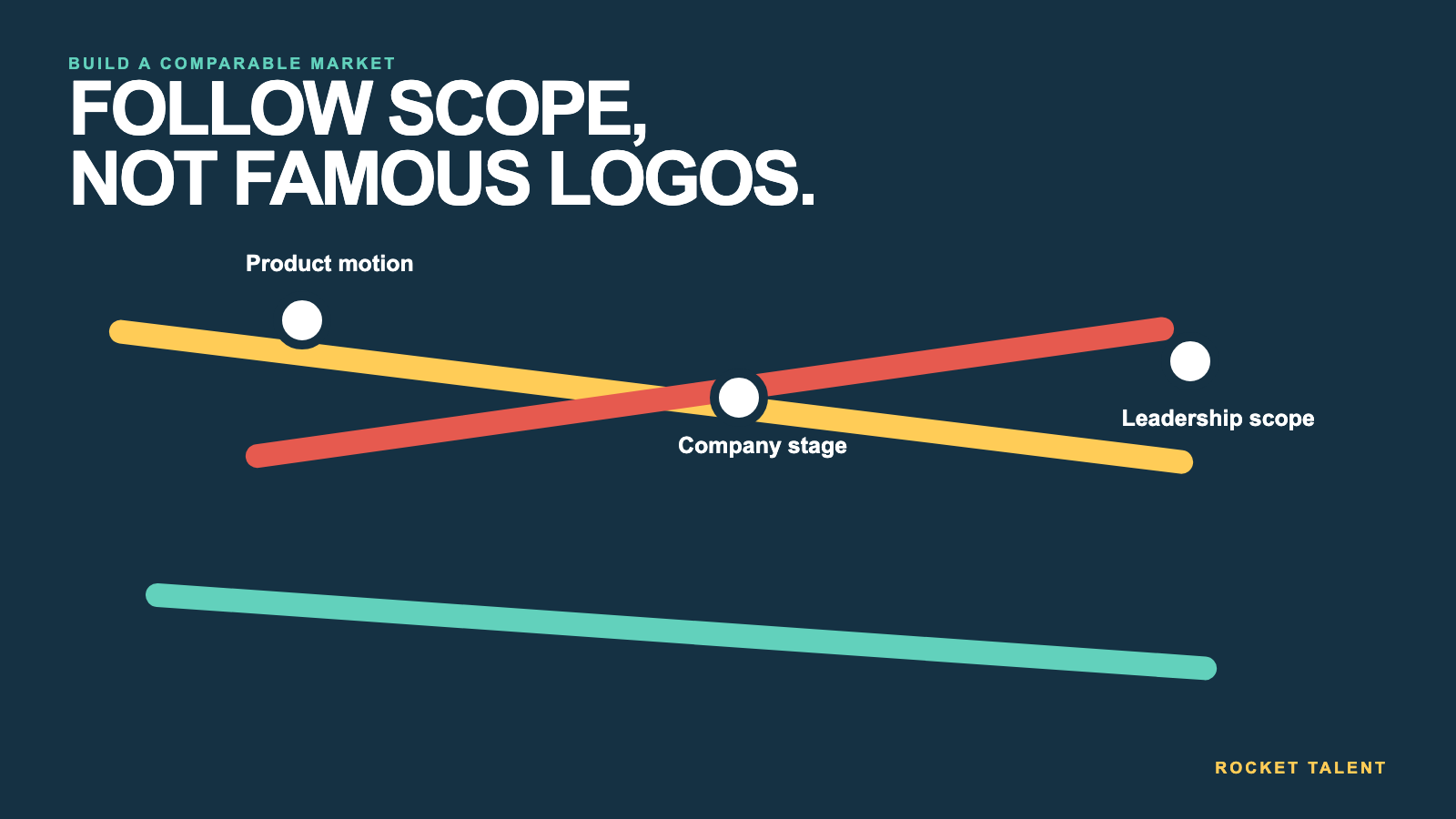
A good agency should explain where it will search and why. The target market might include product-led SaaS companies at a similar revenue stage, enterprise software businesses with comparable buying committees, or leaders who have taken a product organization through a specific transition. The answer should be more precise than a list of famous technology companies.
Strong market mapping also covers adjacent candidates. The right person may sit one level below the obvious title at a larger company, or hold a broader role in a smaller business. The recruiter should know which adjacent profiles are credible and which would require too much of a leap.
Examine the agency’s assessment method
Executive search should produce evidence, not profile summaries. Ask what the agency will test before a candidate reaches you. For a senior product hire, that may include the quality of product decisions, the candidate’s role in discovery, how they worked with engineering, what they stopped doing, how they measured impact and how they handled pressure from revenue teams or the board.
The recruiter should be able to tell you what the candidate personally owned. Product outcomes are usually shared across several functions, so vague claims are easy to overstate. Good assessment separates the candidate’s judgment and actions from the strength of the company, product or team around them.
Check the working model, not only the pitch
Find out who will run the search after the contract is signed. Ask who handles research, outreach, interviews, references and weekly communication. A senior partner may lead the pitch while a different team does most of the work. That can still work well, but responsibilities should be clear.
Agree on the cadence before launch. You should know when the first market view will arrive, how calibration will work, what information appears in candidate notes and how the agency will report weak response, compensation friction or a flawed brief. Search partners earn trust by surfacing uncomfortable information early.
Test candidate access and candidate experience
Senior product leaders often have several options. The agency represents your company before the candidate meets anyone internally, so the quality of that first conversation matters. Ask how the recruiter will explain the mandate, handle confidentiality, keep candidates informed and close the loop with people who are not progressing.
Candidate access should also be tested carefully. A large database is not the same as a current relationship. Ask for examples of how the team reaches passive product leaders and how it learns what might make them consider a move. The strongest candidates rarely respond to a generic role description.
Review references and relevant outcomes
References are most useful when the prior search resembles yours. A product leadership placement in a consumer marketplace may say little about a technical B2B platform role. Ask about company stage, product motion, role level, search difficulty and what changed during calibration.
Useful reference questions include whether the agency challenged the brief, whether the shortlist felt genuinely considered, how well it assessed candidates and how it behaved when the search became difficult. Speed matters, but a fast list of weak matches is not a good outcome.
Watch for warning signs
- The agency accepts the brief without asking about product strategy, team design or decision rights.
- The target company list relies on famous logos rather than comparable product environments.
- Candidate notes repeat resume facts but do not explain personal ownership or judgment.
- The recruiter cannot explain the difference between a senior product operator and a people leader.
- Communication focuses on activity volume while avoiding what the market is saying.
- The team promises an exact shortlist before it has tested the brief with real candidates.
Use a practical selection scorecard
Score each agency on product fluency, search strategy, assessment quality, access to passive candidates, delivery team, communication, candidate experience and relevant references. Weight the first three most heavily. A search can recover from a smaller brand name. It rarely recovers from a weak brief or poor assessment.
Pricing should be considered alongside risk. The cheapest agency can become expensive if founders and executives spend weeks interviewing people who never matched the mandate. Compare what the fee buys: research depth, senior involvement, assessment, reference checks, replacement terms and accountability through the full process.
How Rocket Talent approaches product leadership search
Rocket Talent begins with the operating context. We define the product problem, company stage, team shape, decision rights and first-year outcomes before building the market. That gives every candidate a clear reason to be in the process and makes calibration faster.
The shortlist should show evidence of product judgment, not a collection of matching job titles. For a B2B SaaS company, that may include setting product direction, improving discovery, coaching product managers, partnering with engineering, handling enterprise pressure and connecting product choices to adoption or revenue. The exact mix depends on the business.
Further reading
- SVPG: The VP Product role
- First Round Review: Building the product team at each stage
- Mind the Product: Product management levels and titles
The agency you choose should make the search clearer before it makes it faster. If the recruiter can sharpen the mandate, map the right market and assess personal evidence with care, the resulting shortlist will be much easier for the leadership team to trust.