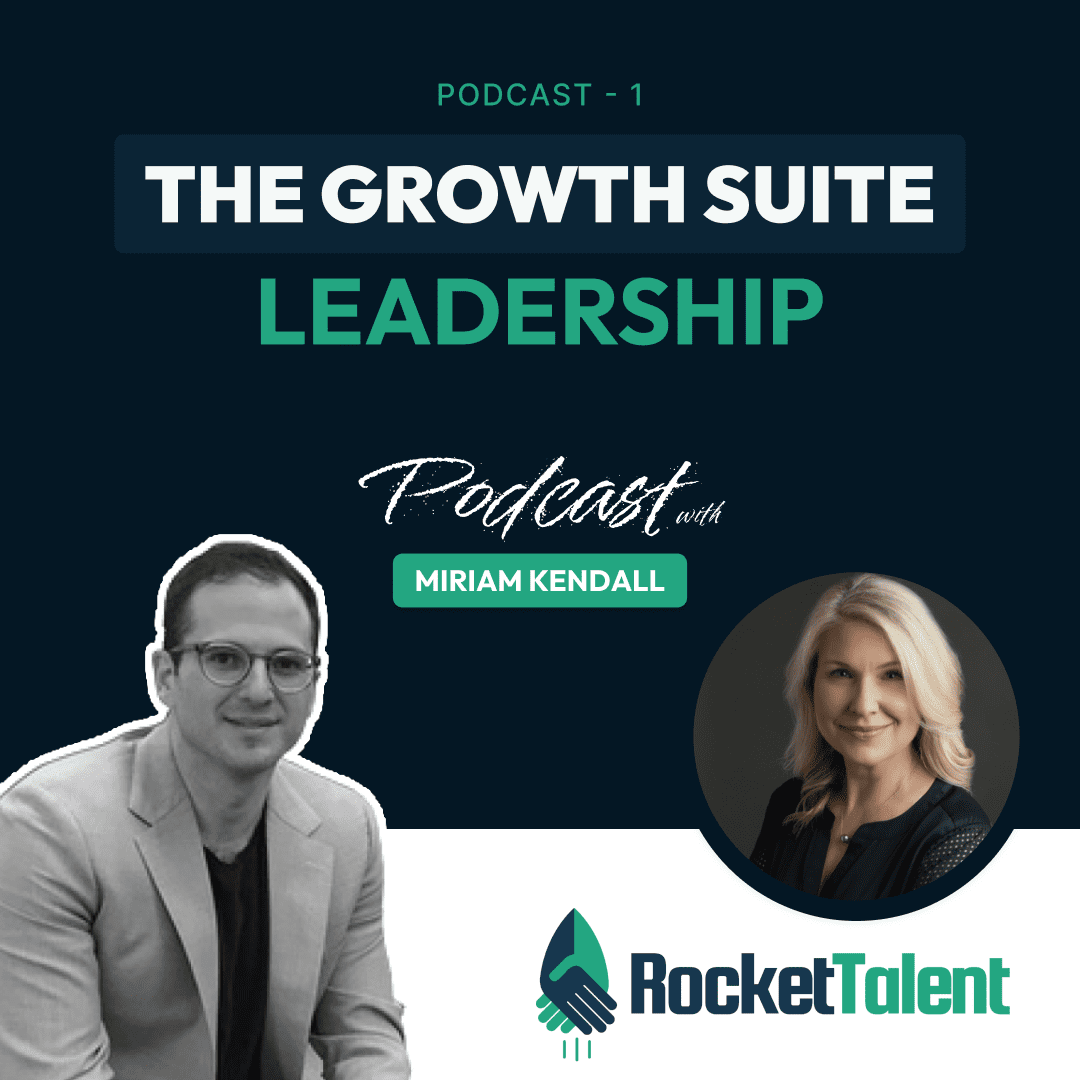
Leadership Challenges in the COVID-19 Era
The COVID-19 pandemic has introduced a unique set of challenges for leaders across various industries. As organizations adapt to new realities, effective leadership becomes crucial in navigating uncertainty and maintaining team morale.
For instance, leaders must now manage remote teams, address mental health concerns, and pivot business strategies to meet changing consumer behaviors. Companies that have embraced flexible leadership styles have often found themselves better equipped to handle the disruptions caused by the pandemic.
Insights from Miriam Kendall
Miriam Kendall, SVP of Marketing, shares her experiences and insights on leading during a crisis in this special podcast episode. Her expertise in growth marketing provides a valuable perspective on the importance of adaptability and innovation in leadership.
Kendall discusses specific strategies that have proven effective, such as fostering open communication, encouraging collaboration, and leveraging technology to enhance team engagement. Her insights serve as a guide for leaders looking to thrive in challenging times.
Strategies for Effective Remote Leadership
As remote work becomes the norm, leaders must develop strategies to maintain productivity and engagement among their teams. Effective remote leadership requires clear communication, trust-building, and the ability to motivate employees from a distance.
Implementing regular check-ins, utilizing project management tools, and creating a culture of accountability can significantly impact team performance. Organizations that prioritize these strategies often see improved outcomes and employee satisfaction during remote work transitions.
The Future of Leadership Post-Pandemic
The pandemic has reshaped the landscape of leadership, prompting a reevaluation of traditional management practices. As businesses emerge from the crisis, leaders will need to embrace new approaches to sustain growth and resilience.
Future leadership will likely focus on inclusivity, mental health support, and continuous learning. Companies that invest in these areas not only enhance their workplace culture but also position themselves for long-term success in a rapidly evolving market.