Chief Commercial Officer Hiring Guide for B2B SaaS
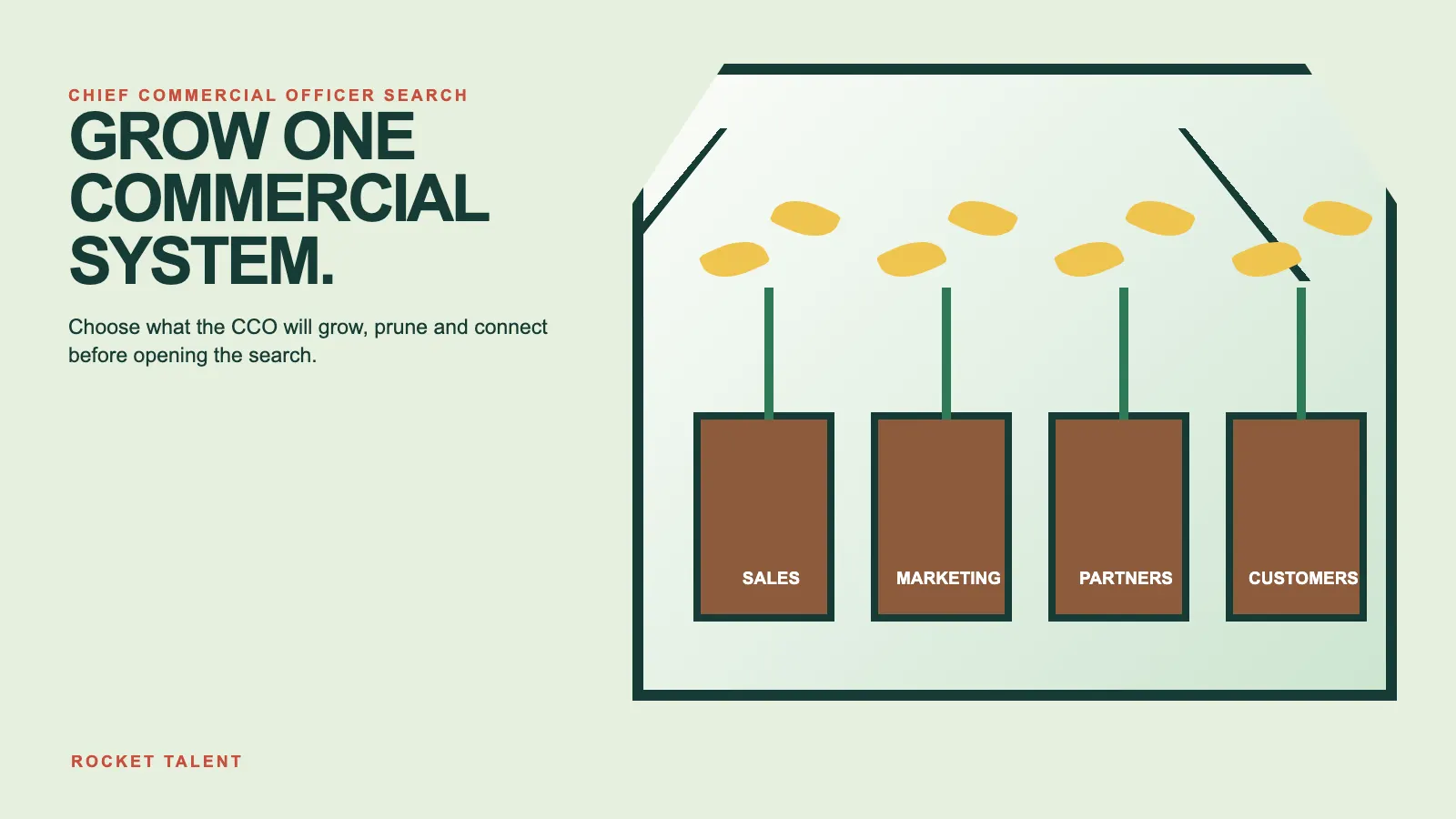
This chief commercial officer hiring guide for B2B SaaS companies starts with a question founders often skip: which commercial problem needs one executive owner? The title can cover sales, marketing, partnerships, customer growth, revenue operations, and pricing. The useful part is deciding which of those areas must work as one system in your company.
A Chief Commercial Officer can be the right hire when growth has outgrown founder-led coordination. It can also be an expensive layer if the business still needs a strong functional leader, clearer priorities, or a better operating cadence. The search should begin with the work, not the prestige of the title.
Start with the commercial gap
Write down where the current model breaks. Perhaps sales and marketing disagree on the market. Maybe partnerships generate activity without revenue. Customer expansion sits between account management and sales, while pricing decisions have no clear owner. Those are different problems and they produce different candidate pools.
Founders should be able to describe the gap in plain terms: what is happening now, why it matters, and what should look different after twelve months. If the answer is only “we need someone commercial,” the brief is not ready.
Decide whether the role is broad enough for a CCO
A credible CCO mandate usually crosses several commercial functions. The executive may own sales and marketing directly, or lead sales while coordinating pricing, partnerships, and customer expansion through shared goals. The exact chart varies. The common feature is authority to make tradeoffs across the commercial system.
If the job is almost entirely new business sales, a Chief Revenue Officer or VP Sales may be more precise. If the priority is category creation, positioning, and demand, the company may need a senior marketing leader. A broad title cannot compensate for narrow decision rights.
Define the first-year scorecard before sourcing
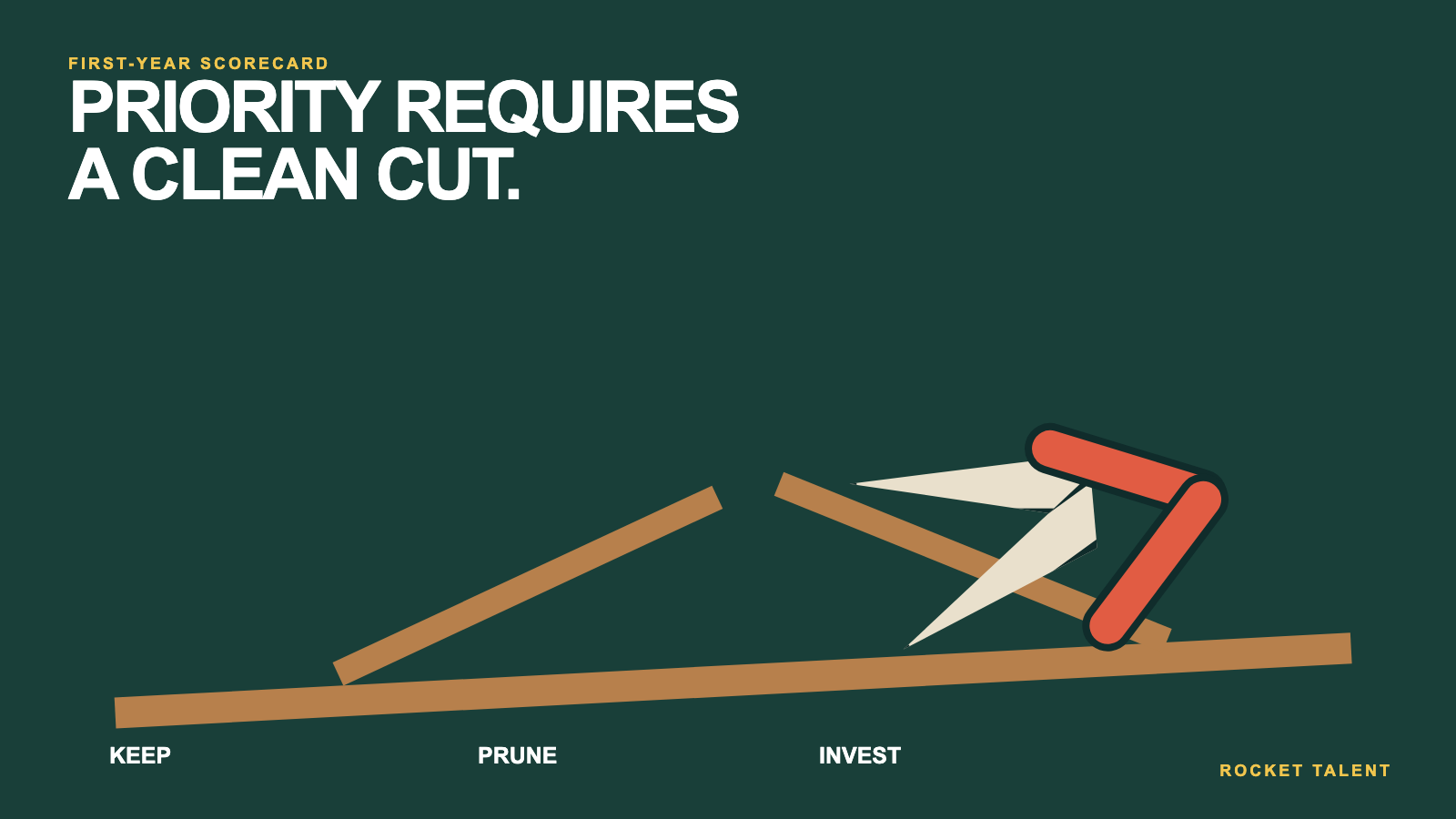
Turn the mandate into five or six outcomes that a board can recognize. Good outcomes describe business movement and operating change. They might cover forecast discipline, market focus, pipeline quality, pricing governance, partner economics, expansion ownership, or the leadership team needed for the next stage.
Avoid scorecards made entirely of lagging revenue targets. The new leader inherits a system they did not design. Include leading indicators that show whether they are building a healthier engine, such as clearer segment choices, more reliable inspection, better handoffs, and faster decisions.
- Commercial strategy: one set of choices about market, segment, route to market, and positioning.
- Revenue execution: a forecast and operating rhythm leaders can trust.
- Organization: clear ownership, stronger functional leaders, and fewer gaps between teams.
- Customer economics: acquisition, retention, and expansion treated as connected decisions.
- Board communication: concise reporting that separates evidence from optimism.
Match candidate experience to your stage and motion
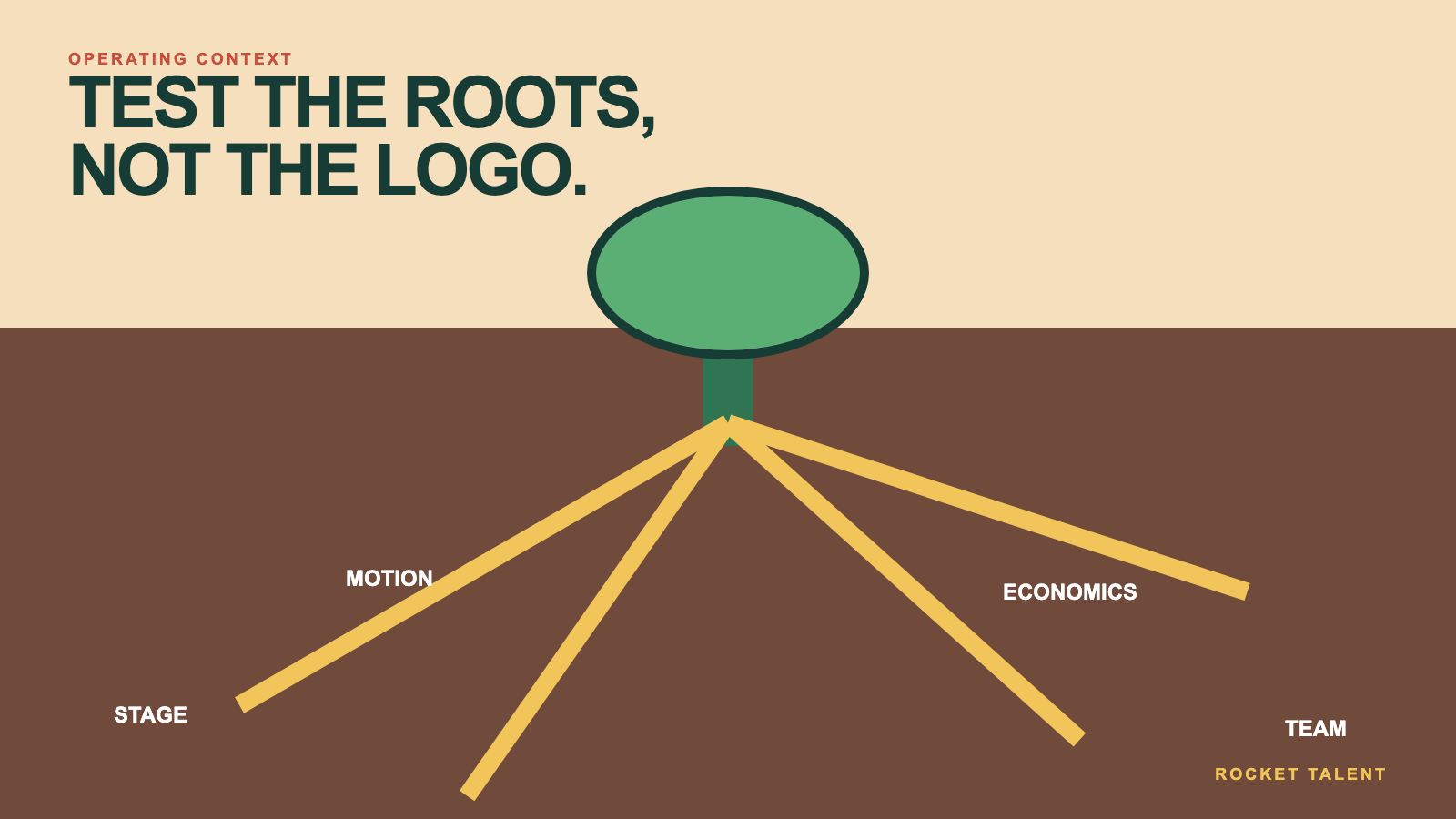
Logo recognition is weak evidence on its own. A leader from a large public company may have managed far more complexity, yet never built the systems a founder-led scale-up needs. A startup operator may be highly resourceful but untested in a multi-region organization with several functional leaders.
Compare candidates against your operating conditions: annual contract value, sales cycle, customer concentration, product maturity, international scope, channel mix, data quality, and the strength of the existing team. Ask what resources were already in place when the candidate delivered their results. Context changes the meaning of every achievement.
Search beyond the exact title
Strong candidates may currently be Chief Revenue Officers, regional presidents, general managers, or senior commercial leaders with unusually broad scope. Some will have held a CCO title that was effectively a sales role. Others will have done the real work without the label.
Build the market around responsibilities and evidence. Look for people who have made decisions across multiple commercial levers, hired leaders rather than only individual contributors, and explained difficult tradeoffs to a board. Title matching is useful for discovery, but it should not become the assessment method.
Test personal ownership, not team output
Executive candidates are good at presenting the company story. The interview team needs to separate what the business achieved from what the candidate personally changed. Ask for the starting point, the decision, the resistance, the resources, the result, and what happened afterward.
When a candidate describes improved growth, find out whether they changed segmentation, rebuilt leadership, altered pricing, tightened qualification, opened a channel, or benefited from market demand already in motion. Strong candidates can describe the uncomfortable parts as clearly as the headline.
Assess how the candidate makes tradeoffs
A CCO is hired to resolve competing commercial priorities. Give candidates a realistic situation with imperfect information. For example, pipeline is below plan, retention has weakened in one segment, and the board still expects growth. Ask what they would inspect first, which decision they would delay, and what they would tell the CEO.
The best answer is rarely a polished framework delivered from memory. Listen for sequencing, assumptions, financial awareness, and respect for the existing team. Commercial judgment shows up in what a candidate refuses to do as much as in the initiatives they propose.
Align the CEO and board before the final stage
The role will struggle if stakeholders hold different versions of the mandate. One director may expect a global sales leader while the CEO wants an integrator across sales, marketing, and customer growth. Candidates will notice the contradiction, even if nobody states it directly.
Before final interviews, agree on reporting line, functional ownership, decision rights, founder involvement, performance measures, compensation logic, and the first leadership changes the hire may need to consider. This alignment also makes references more useful because the questions can focus on the actual job.
Run references against the scorecard
Reference checks should test the risks that remain after interviews. If the candidate has mostly worked with mature teams, ask how they behaved when resources were thin. If they talk convincingly about collaboration, ask who found them difficult to work with and why. If the role requires replacing or coaching functional leaders, ask for evidence of both.
A good reference call is specific. It should help the hiring team understand where the candidate is strongest, what support they need, and which part of the mandate carries the most risk.
How Rocket Talent would structure the search
Rocket Talent would lock the scorecard and company context before building the market. We would map candidates by commercial scope, stage, route to market, functional depth, and evidence of cross-functional decisions. Early calibration would compare different archetypes so the team can see the tradeoffs rather than review a list of similar resumes.
The final shortlist should give the board a real choice. Each candidate should fit the mandate for a clear reason, carry a named risk, and have evidence tied to the first-year outcomes. That makes the search easier to defend and the final decision less dependent on interview chemistry.
Sources for further context
- OpenView product and SaaS benchmarks for thinking about stage, growth motion, and operating context.
- SaaStr for practical perspectives on SaaS leadership and scaling.
- McKinsey growth, marketing, and sales insights for broader commercial operating research.